El Primer Mundial
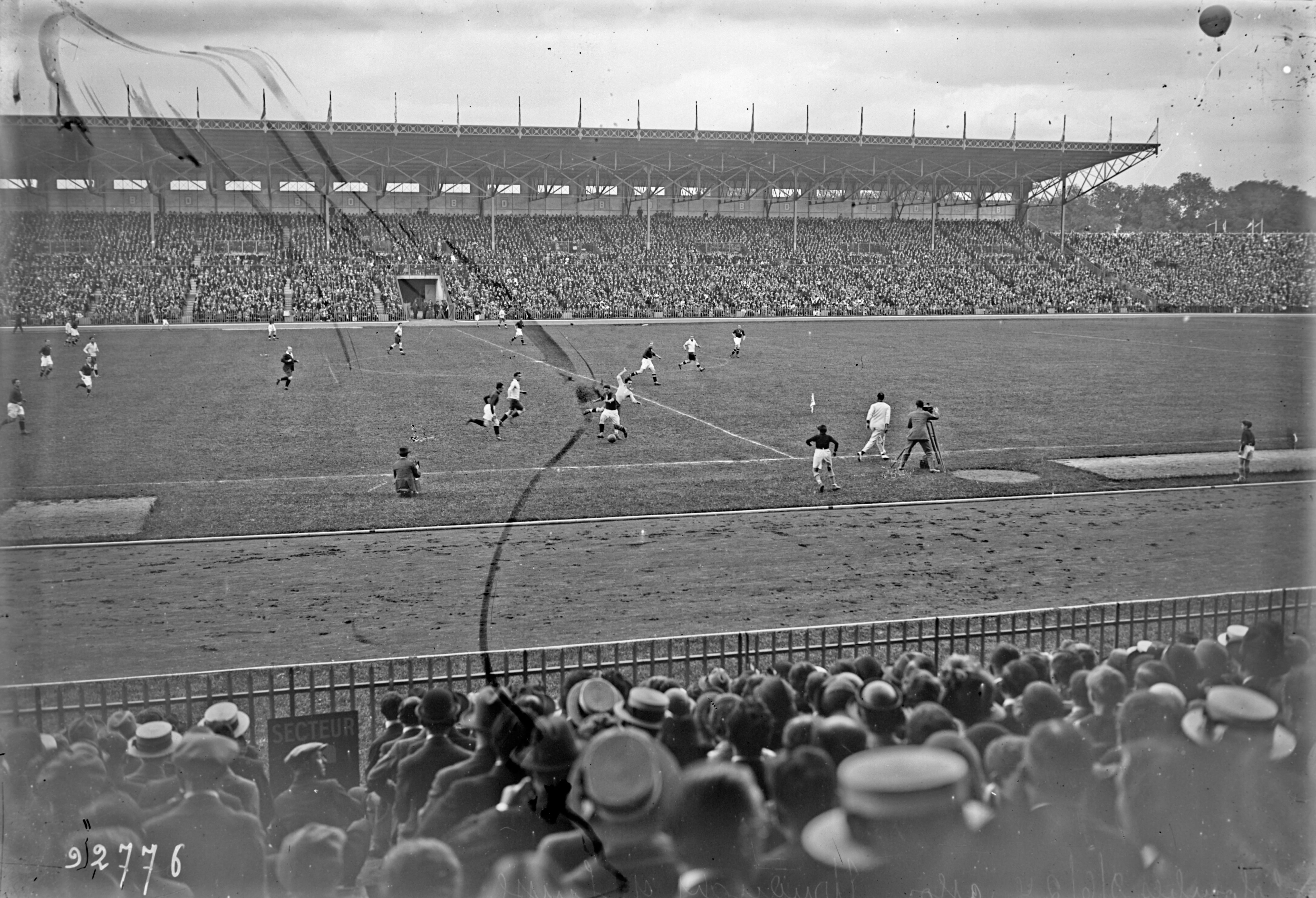
Colombes, the Final in Play, 1924
The 1924 final from the terrace side — the match that made Uruguay the game’s teachers.
- Work
- photograph, 9 June 1924
- Maker
- Unknown photographer
- Date
- 1924
- Ground
- Stade de Colombes, Paris
- Era
- The interwar game · 1919–1930
- Source
- Unknown photographer, 1924 · Wikimedia Commons
Format
The full-resolution scan, colour-managed to the source — yours to print, study, and explore.
Size
$29.00
The story
See it on your wall
The piece, in the room it was made for
Colombes, the Final in Play, 1924, printed large and framed — in the den, the club bar, the supporters’ bar. Every edition ships ready to become the piece the room is built around.



About this reproduction
- A reproduction of photograph, 9 June 1924 — Unknown photographer, 1924 — from the copy held by Unknown photographer, 1924 · Wikimedia Commons. The source. The work was published before 1931 and is public-domain verified.
- Printed faithful to that source scan — restore honestly, disclose always. We do not re-colour it, complete it, or interpret it; the piece you receive is the image as it survives, halftone grain honored as history, not damage.
- Printed to order on museum-grade cotton-rag stock with pigment inks — the pairing is rated 100+ years.
- Colour-managed to the source; the tone of the paper and the ink is the period’s, not ours.
- Ships in 5–10 business days, rolled in a heavy-wall tube (framed editions ship flat-packed).
- If it arrives less than perfect, we reprint or refund — your choice.

Why our pieces cost more than a poster: a poster is a mass run on wood-pulp stock, colour-corrected to whatever flattered the press that day. This is one sheet, pulled for you, at a size where the maker’s hand is visible — the linework, the halftone grain, the lettering — on materials made to outlast their owner.
From the same hand
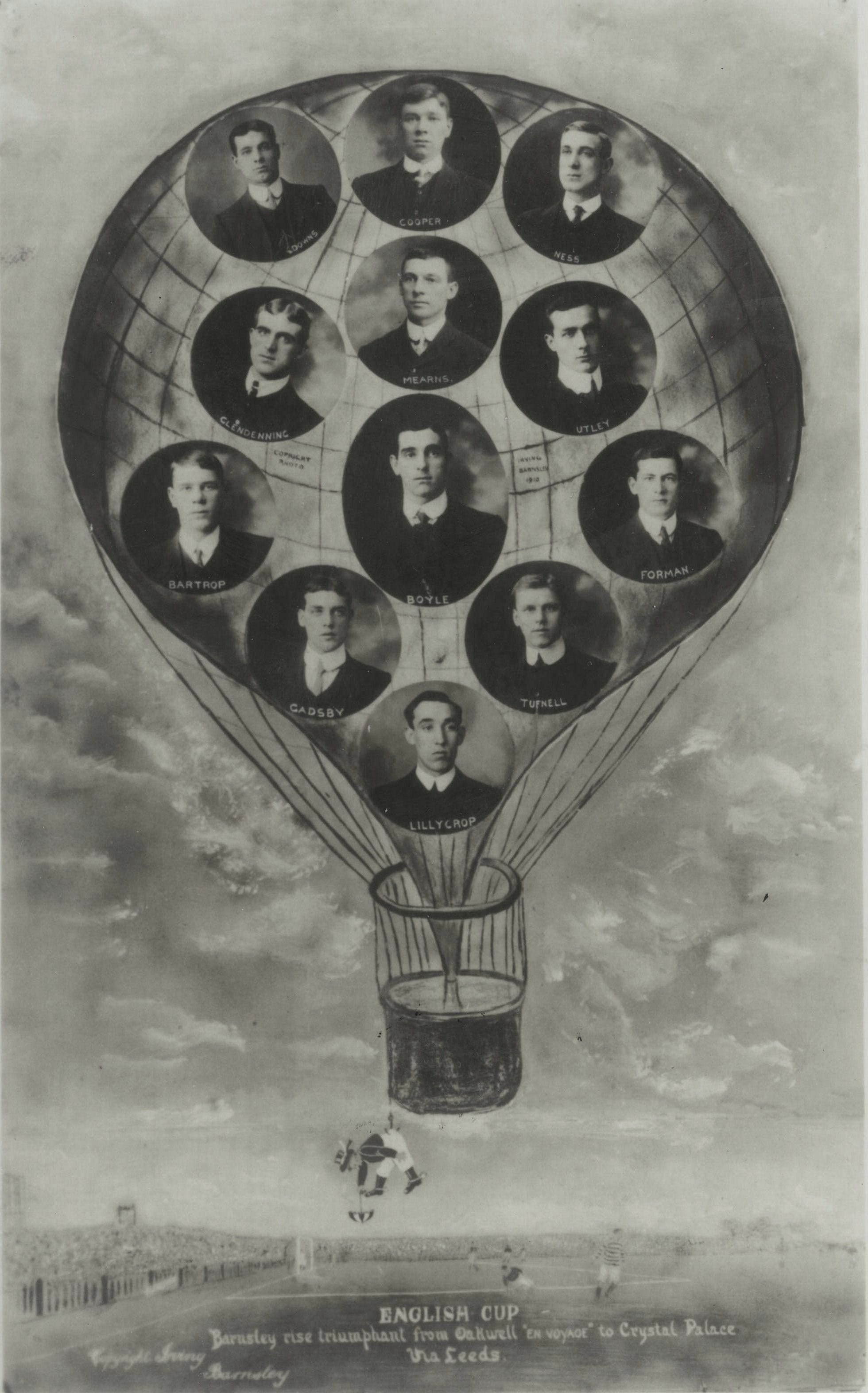
Unknown photographer · 1909
A Yorkshire Eleven, 1909
Back row standing, front row seated, ball on the ground with the season painted on it.
The pose outlasted the moustaches, the boots, and the century.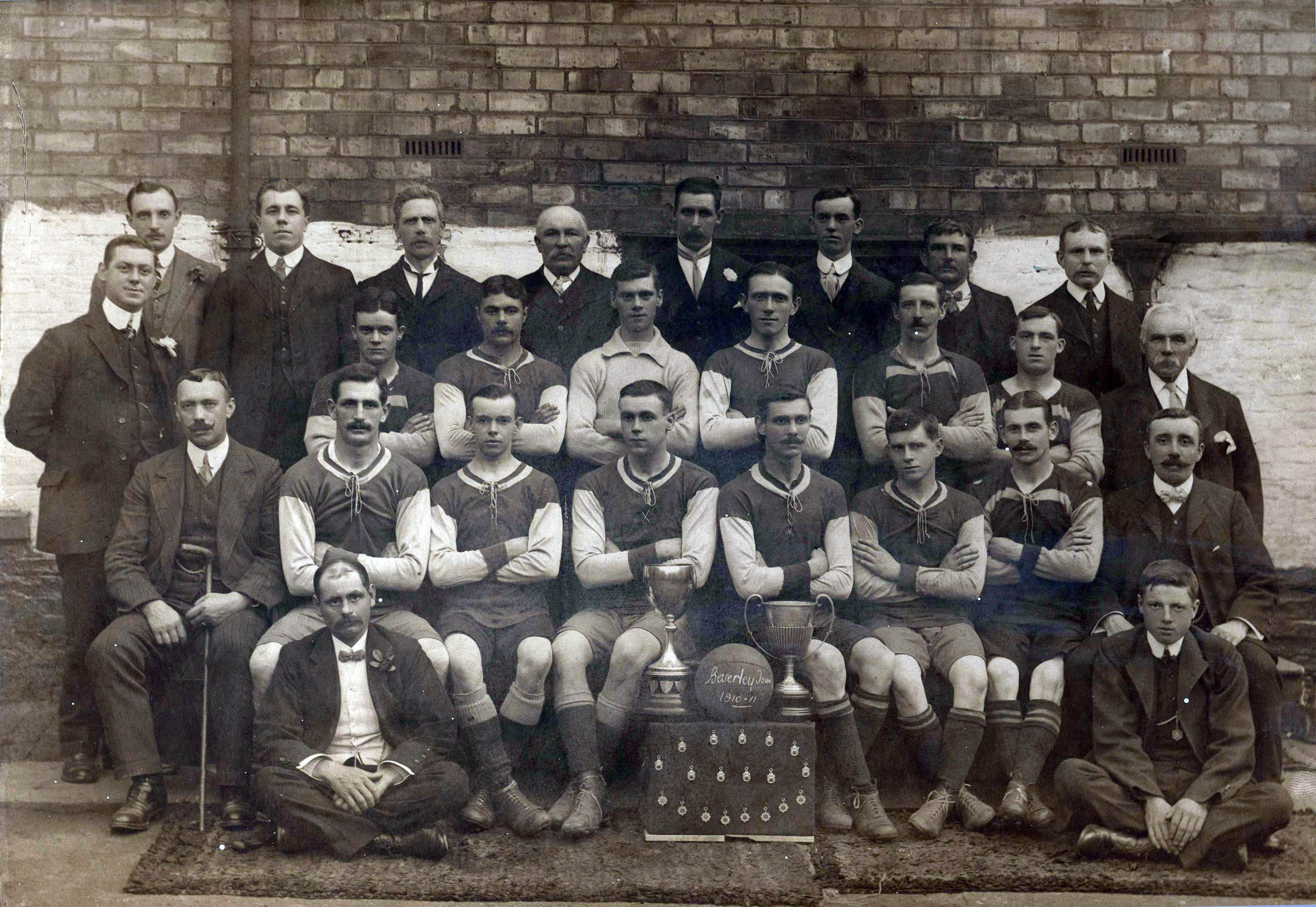
Unknown photographer · 1910
A Market-Town Eleven, 1910–11
The whole pyramid’s foundation — a small-town side, photographed as carefully as any champion.
The game is made of the four hundred clubs that are not famous.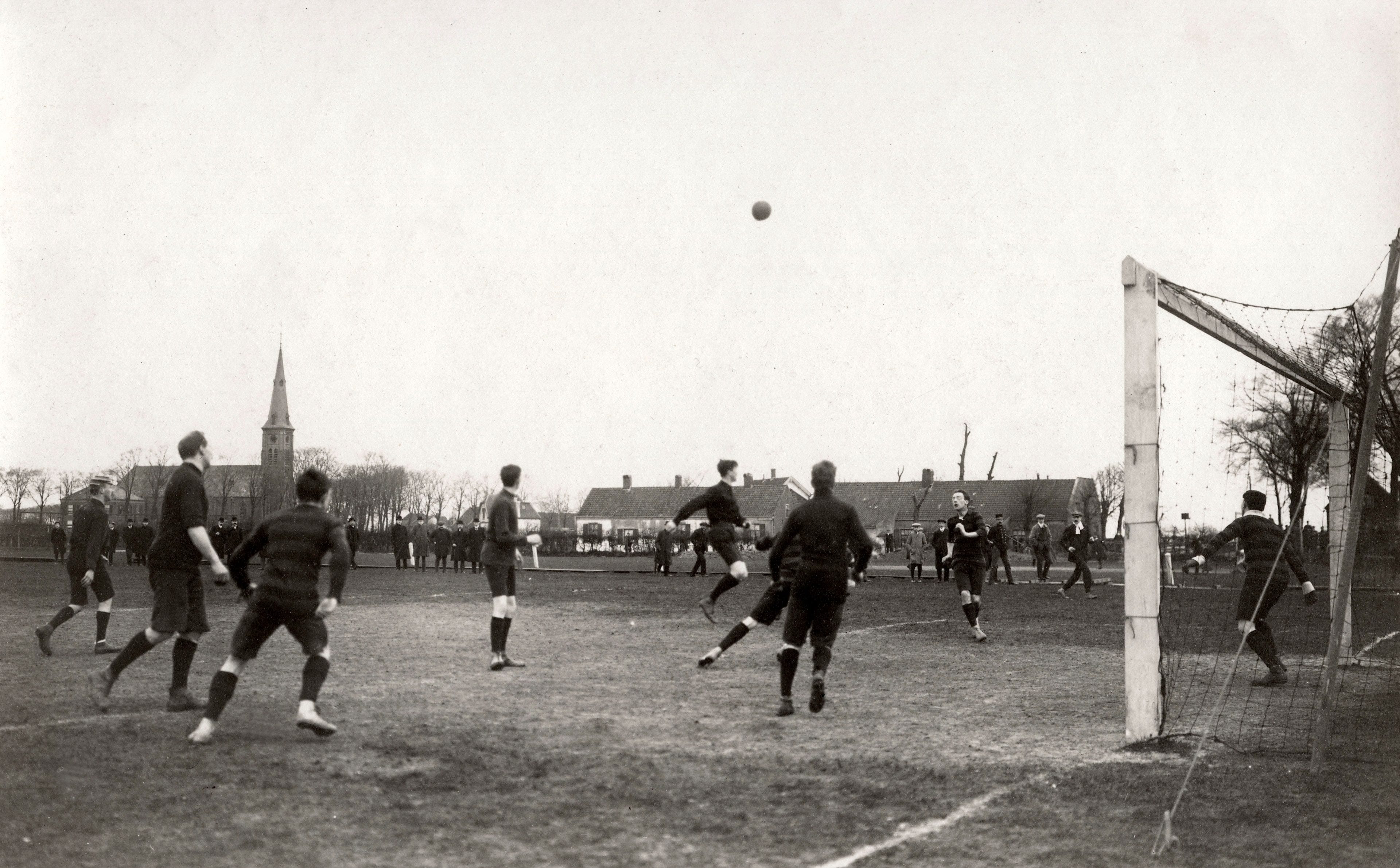
Unknown photographer · 1907
A Haarlem Eleven, 1907
The Dutch game at the water’s edge — the oldest continental club photograph in the house.
A sport travels as a rulebook and a pose.