The Match Bill
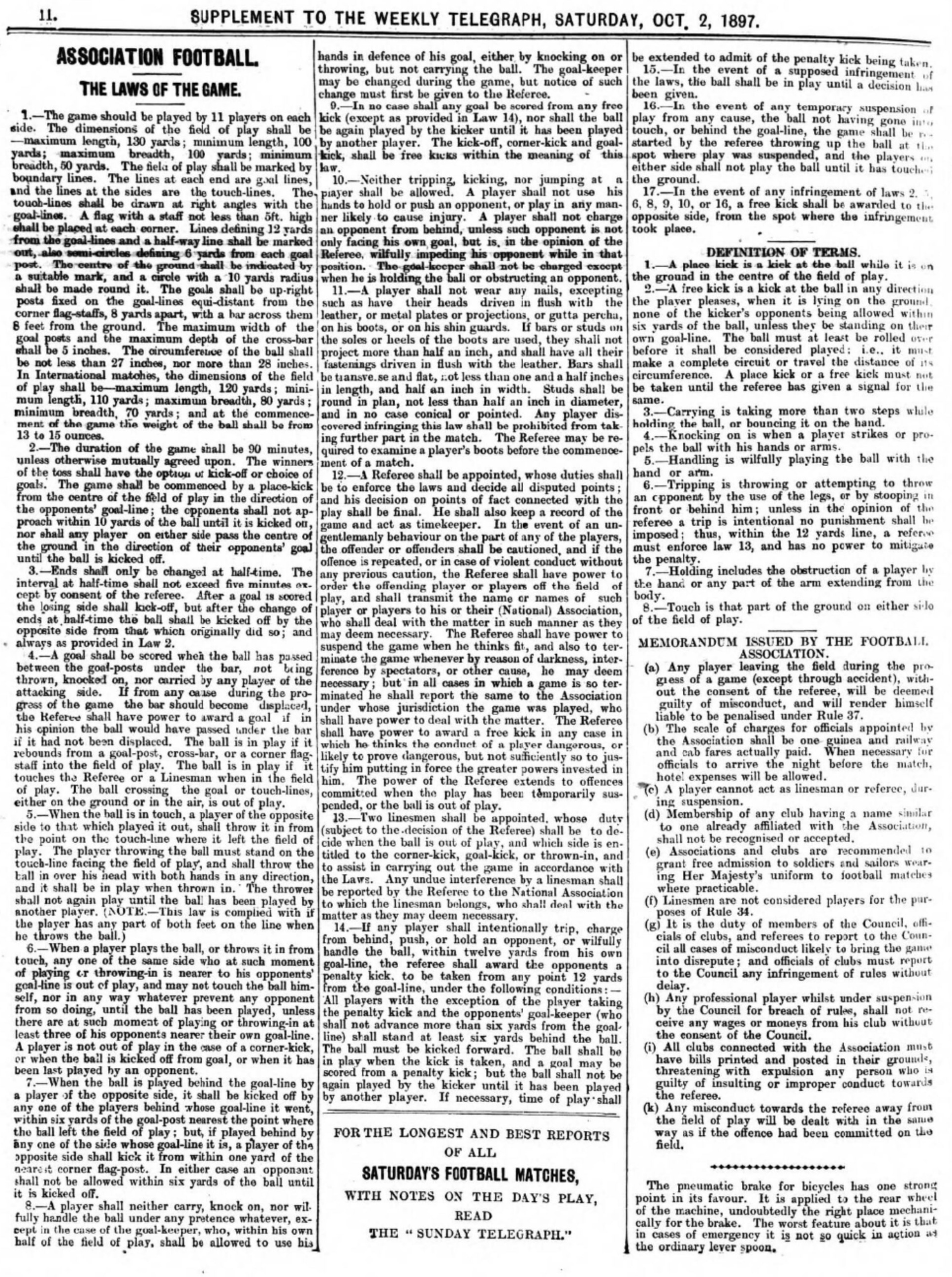
The Laws of the Game, Weekly Telegraph, 1897
The FA’s laws, printed in full by a paper from the city that once had its own.
- Work
- newspaper supplement
- Maker
- Weekly Telegraph, Sheffield
- Date
- 1897
- Era
- The Victorian game · 1870–1900
- Source
- Weekly Telegraph, Sheffield, 2 October 1897 · via Wikimedia Commons
Format
The full-resolution scan, colour-managed to the source — yours to print, study, and explore.
Size
$29.00
The story
See it on your wall
The piece, in the room it was made for
The Laws of the Game, Weekly Telegraph, 1897, printed large and framed — in the den, the club bar, the supporters’ bar. Every edition ships ready to become the piece the room is built around.




About this reproduction
- A reproduction of newspaper supplement — Weekly Telegraph, Sheffield, 1897 — from the copy held by Weekly Telegraph, Sheffield, 2 October 1897 · via Wikimedia Commons. The source. The work was published before 1931 and is public-domain verified.
- Printed faithful to that source scan — restore honestly, disclose always. We do not re-colour it, complete it, or interpret it; the piece you receive is the image as it survives, halftone grain honored as history, not damage.
- Printed to order on museum-grade cotton-rag stock with pigment inks — the pairing is rated 100+ years.
- Colour-managed to the source; the tone of the paper and the ink is the period’s, not ours.
- Ships in 5–10 business days, rolled in a heavy-wall tube (framed editions ship flat-packed).
- If it arrives less than perfect, we reprint or refund — your choice.

Why our pieces cost more than a poster: a poster is a mass run on wood-pulp stock, colour-corrected to whatever flattered the press that day. This is one sheet, pulled for you, at a size where the maker’s hand is visible — the linework, the halftone grain, the lettering — on materials made to outlast their owner.
From the same collection
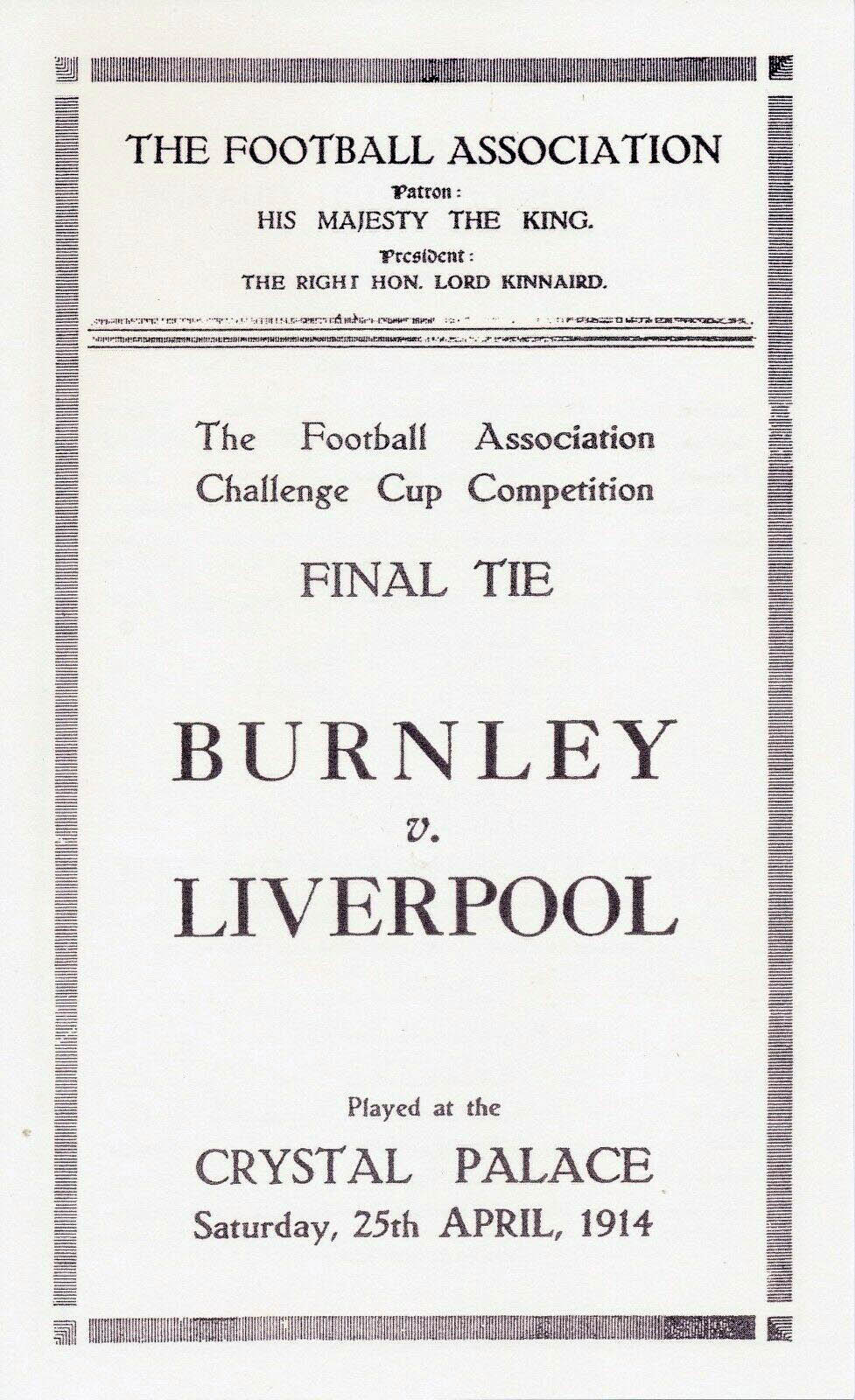
jobbing printers · c. 1910
A Letterpress Fixture Bill
Saturday, set in wood type: the kick-off hour, the admission price, the exclamation points earned.
Kick-off is the oldest deadline that makes people happy.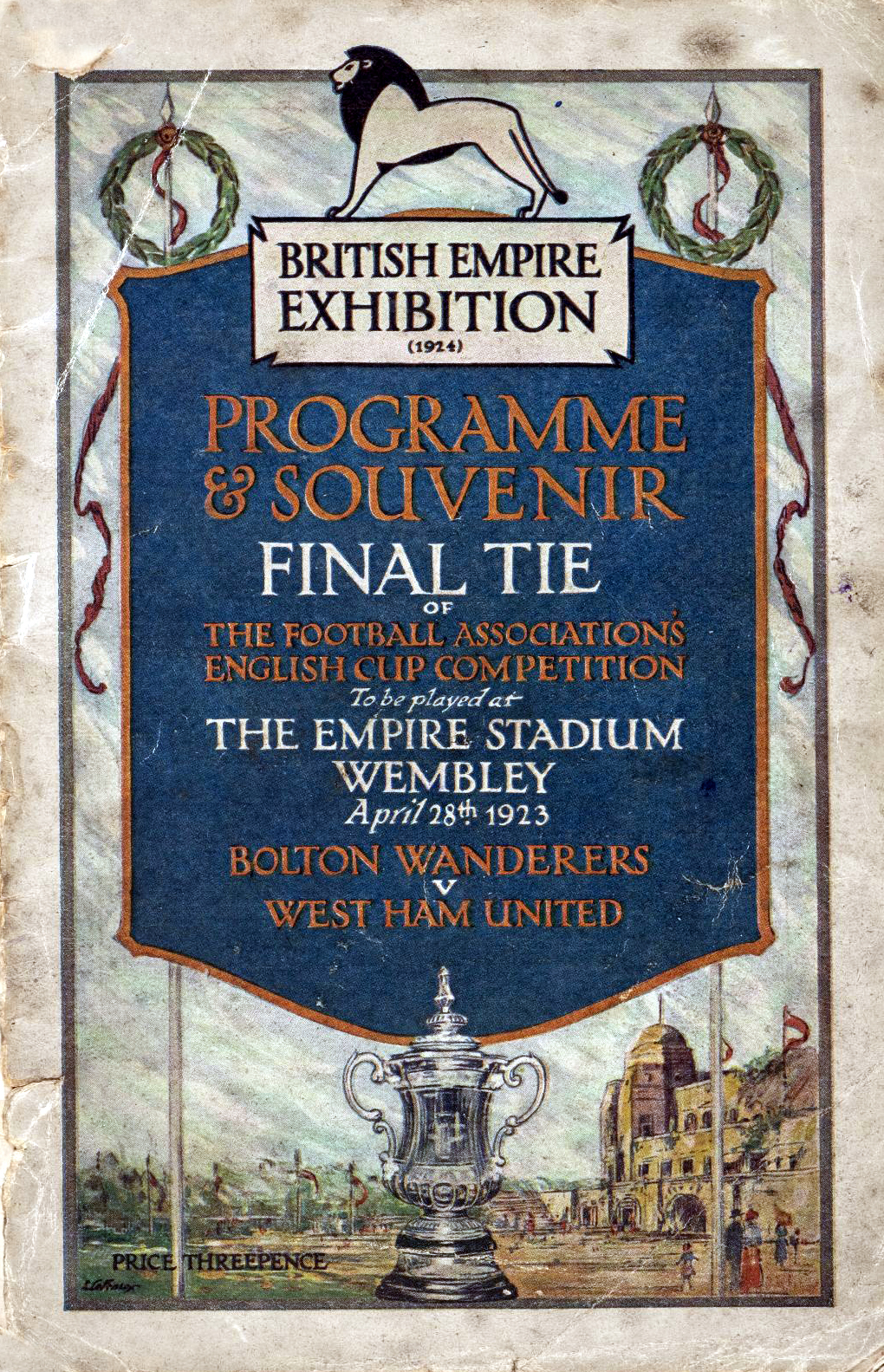
programme printers for the Empire Stadium · 1923
The First Wembley Programme, 1923
The programme of the White Horse Final — sold to a crowd that could not open its arms to read it.
The ephemera outlived the emergency.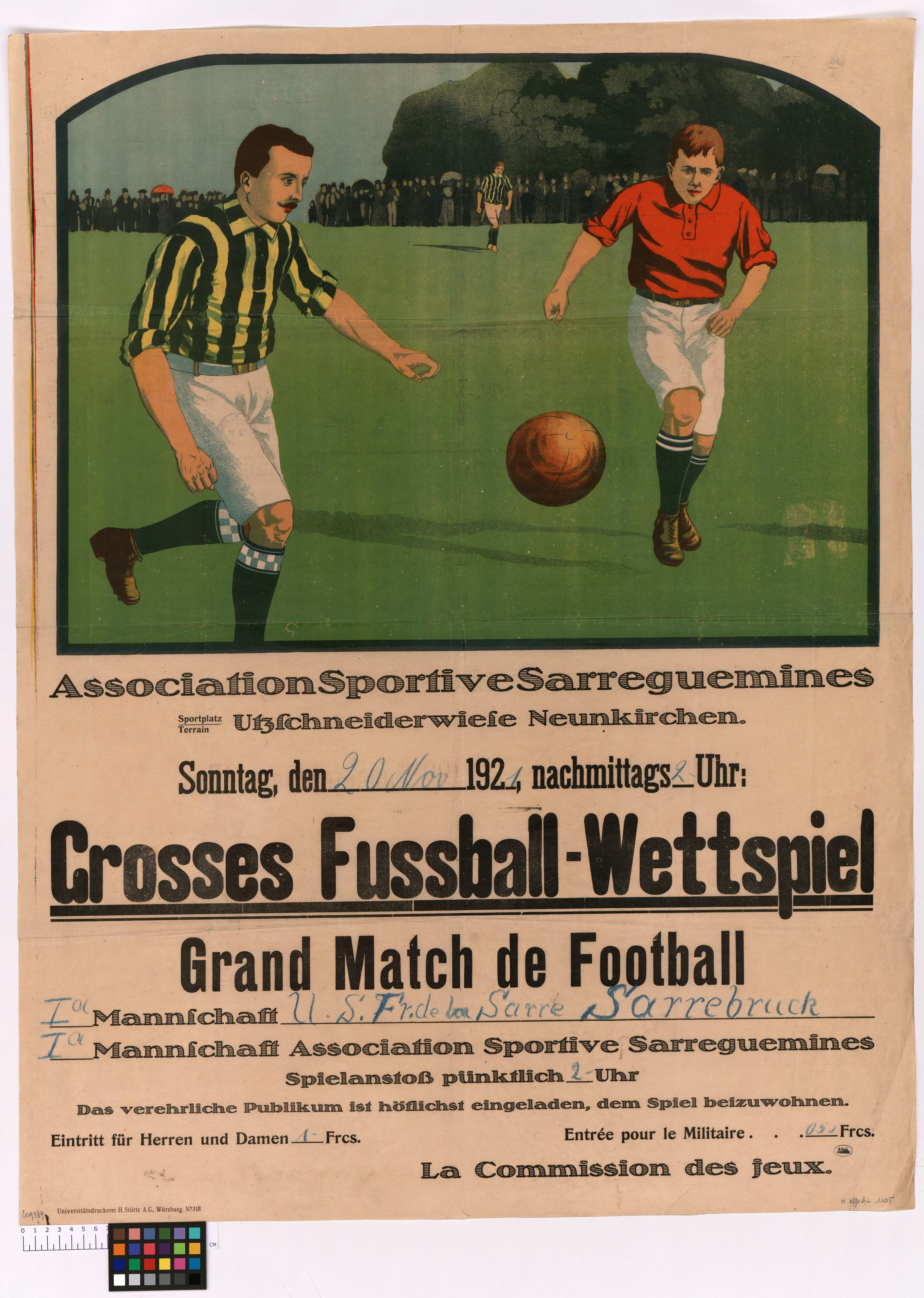
Jobbing printer, Sarreguemines · 1921
Grand Match de Football, 21 November 1921
A jobbing-printer match bill from the Moselle, at nearly thirteen thousand pixels.
A poster is a hierarchy of shouts, well arranged.