The Card Collection
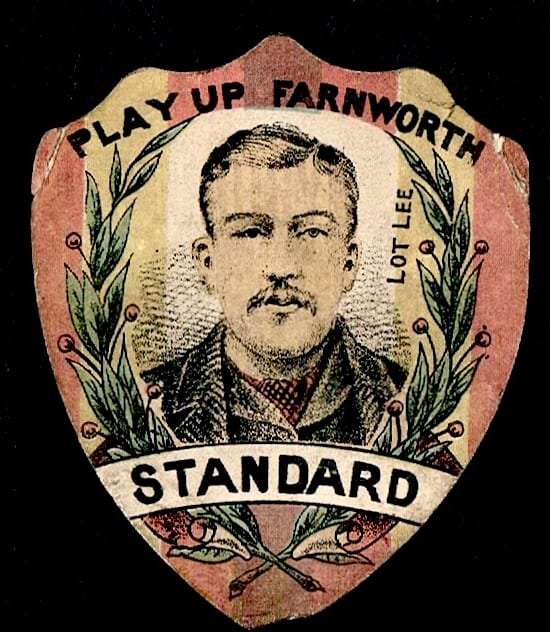
Baines Shield Cards (framed flight)
The playground currency of the first football generation — shield-shaped chromolith cards, bold as banners.
- Work
- shield-shaped chromolithograph trade cards
- Maker
- J. Baines Ltd., Bradford
- Date
- 1880s–1900s
- Era
- The Victorian game · 1870–1900
- Source
- J. Baines Ltd., Bradford, 1891 · Wikimedia Commons
This form has a living descendant: set your own date as a fixture bill →
Format
The full-resolution scan, colour-managed to the source — yours to print, study, and explore.
Size
$29.00
The story
See it on your wall
The piece, in the room it was made for
Baines Shield Cards (framed flight), printed large and framed — in the den, the club bar, the supporters’ bar. Every edition ships ready to become the piece the room is built around.




About this reproduction
- A reproduction of shield-shaped chromolithograph trade cards — J. Baines Ltd., Bradford, 1880s–1900s — from the copy held by J. Baines Ltd., Bradford, 1891 · Wikimedia Commons. The source. The work was published before 1931 and is public-domain verified.
- Printed faithful to that source scan — restore honestly, disclose always. We do not re-colour it, complete it, or interpret it; the piece you receive is the image as it survives, halftone grain honored as history, not damage.
- Printed to order on museum-grade cotton-rag stock with pigment inks — the pairing is rated 100+ years.
- Colour-managed to the source; the tone of the paper and the ink is the period’s, not ours.
- Ships in 5–10 business days, rolled in a heavy-wall tube (framed editions ship flat-packed).
- If it arrives less than perfect, we reprint or refund — your choice.

Why our pieces cost more than a poster: a poster is a mass run on wood-pulp stock, colour-corrected to whatever flattered the press that day. This is one sheet, pulled for you, at a size where the maker’s hand is visible — the linework, the halftone grain, the lettering — on materials made to outlast their owner.
From the same collection
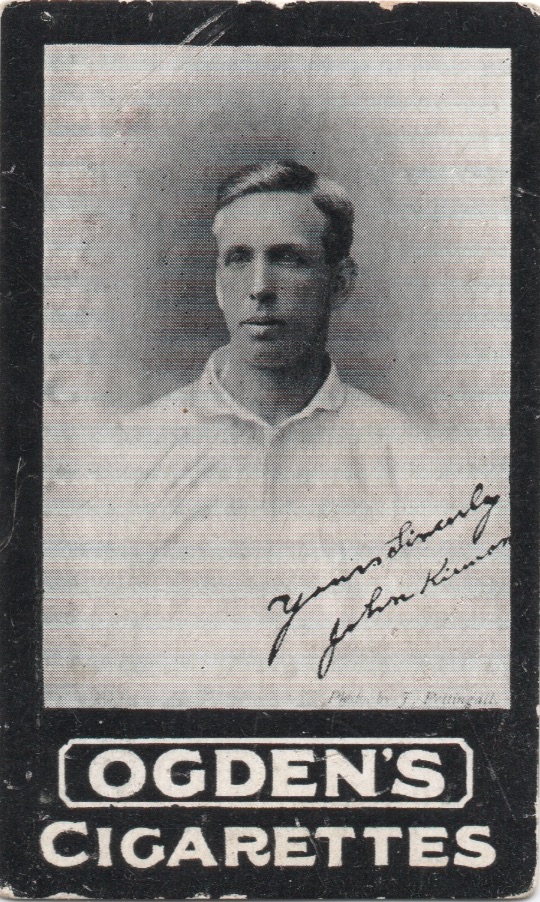
tobacco card lithographers · c. 1908
Footballers of the Edwardian Series (framed flight)
The Edwardian professionals in chromolith miniature — arms folded, hair parted, immortal at two inches tall.
Fame used to fit in a waistcoat pocket.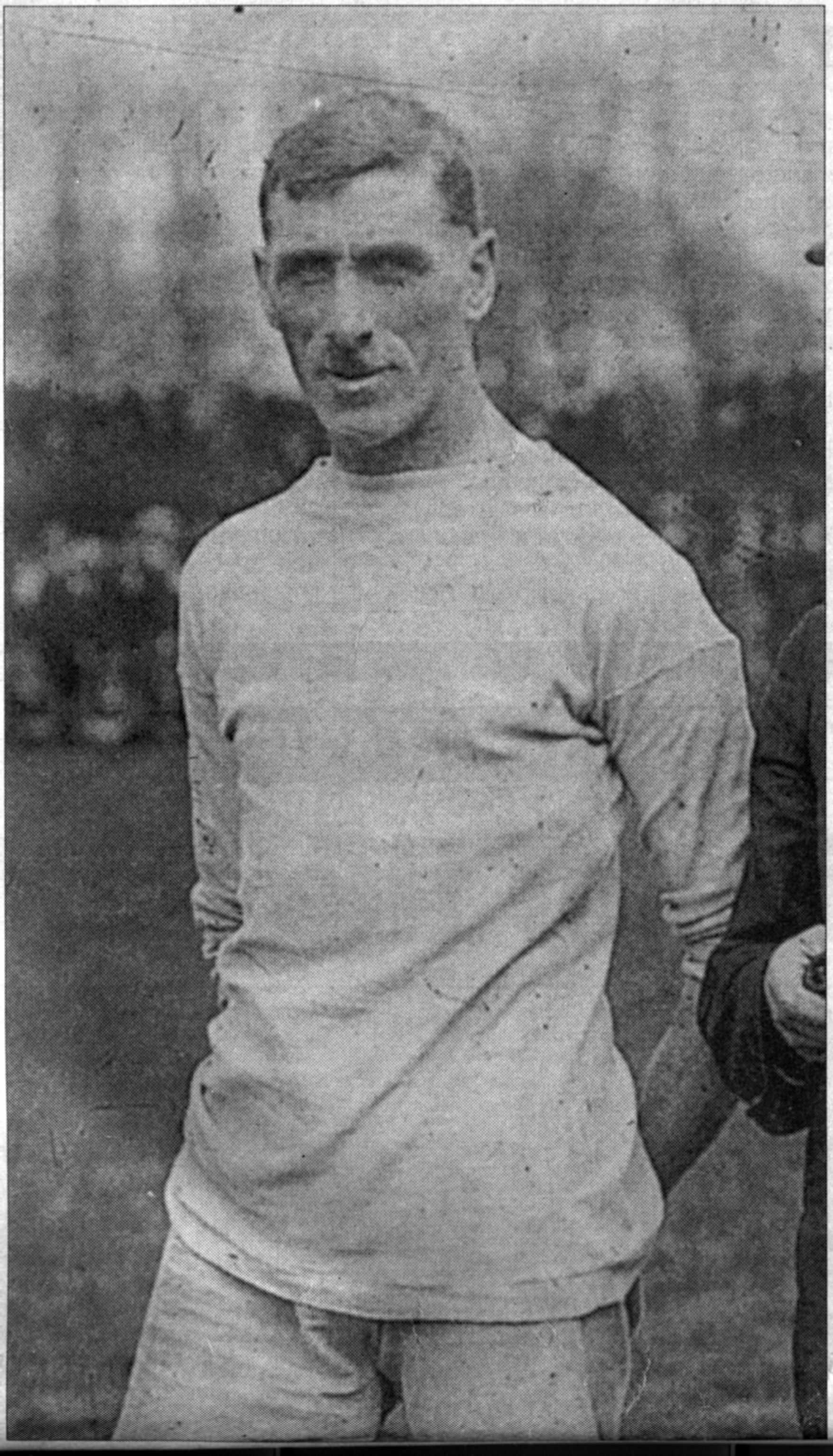
period photograph · c. 1905
Billy Meredith
The Welsh wizard at the wing, toothpick in place — the game’s first superstar, thirty seasons long.
Longevity is the rarest trophy.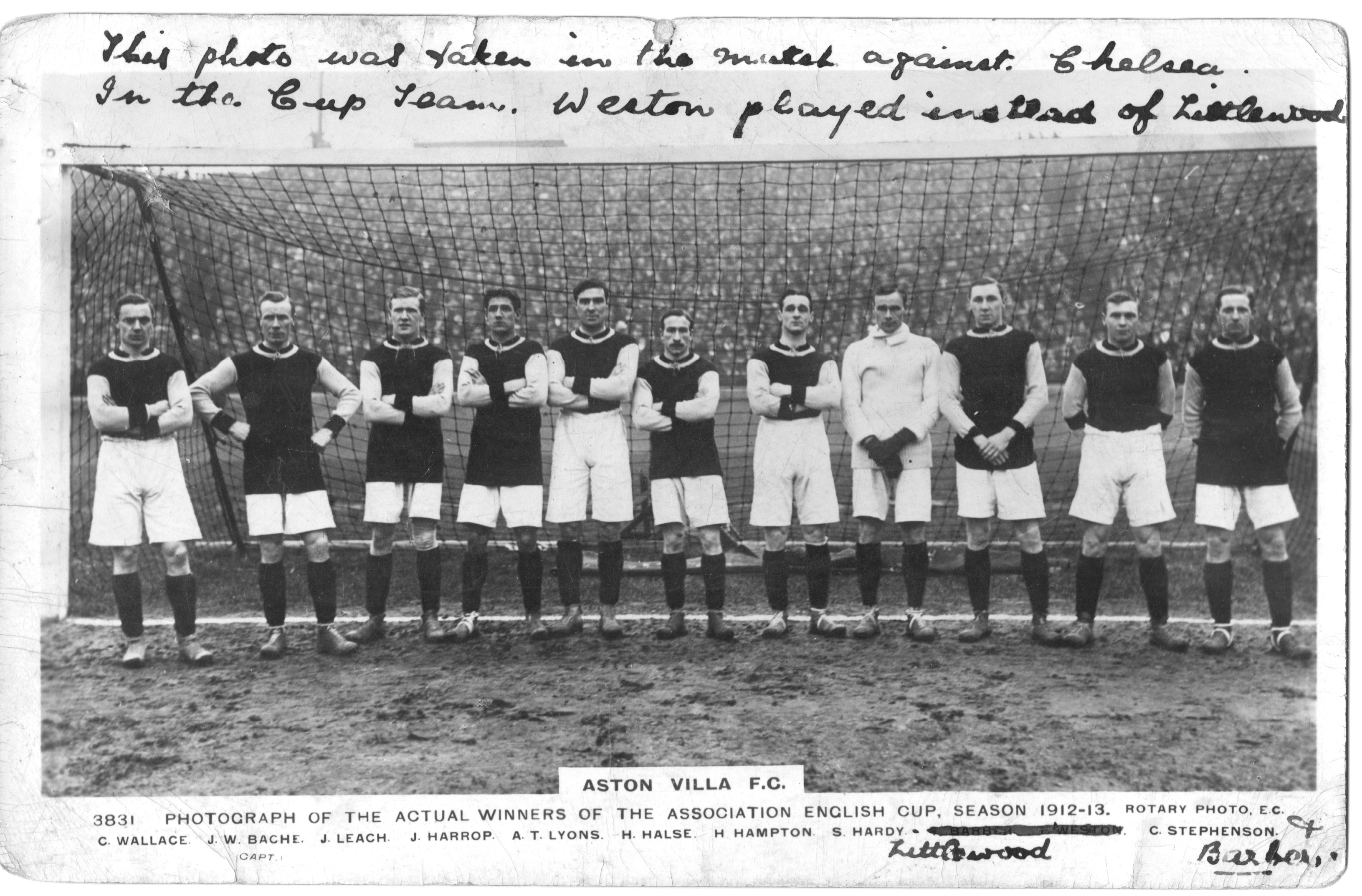
postcard publishers · 1913
The Cup Winners’ Postcard, 1913
The team as a picture postcard — Edwardian football’s answer to the broadcast.
The postman was the first football broadcaster.